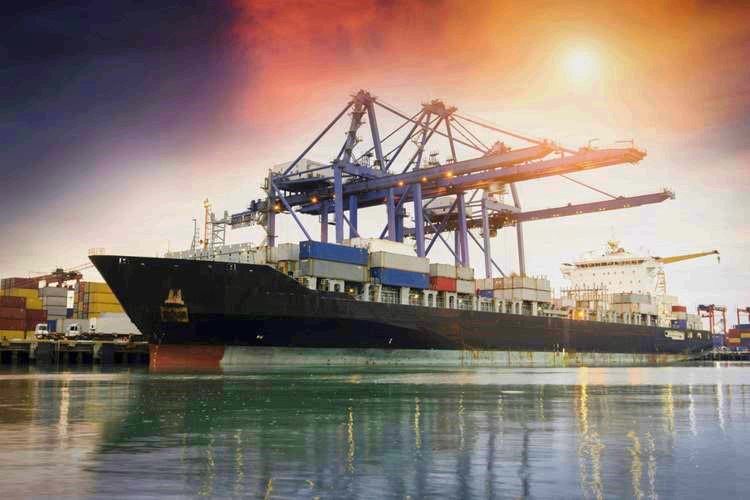

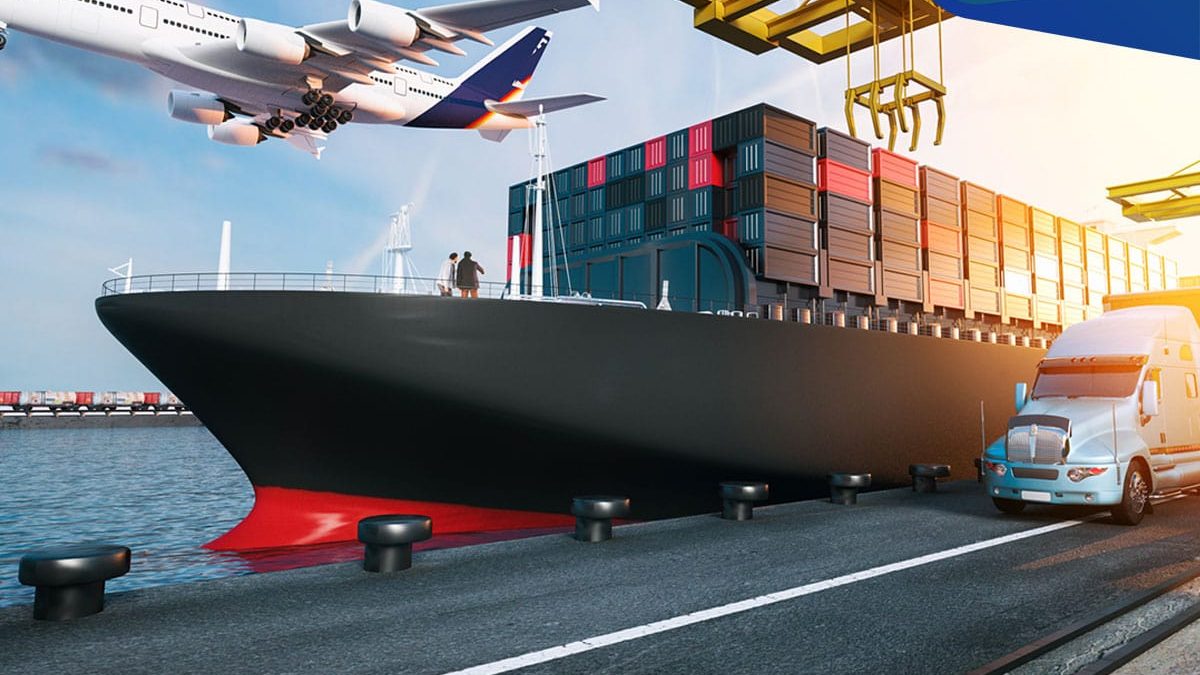
Transportation services are a cornerstone of any nation’s development, forming one of the most vital pillars of infrastructure In Egyptthe transport sector drives growth by enabling the smooth movement of goods from production areas to consumption zones and export markets In the era of the Fourth Industrial Revolution, modern and sustainable infrastructure is essential for fostering an inclusive green economic recovery, aligned with the Ninth Sustainable Development Goal: Industry, Innovation, and Infrastructure. Egypt continues to invest in resilient infrastructure to unlock economic potential, enhance competitiveness, create jobs, and promote inclusive entrepreneurship
Guided by the political leadership’s commitment to modernization, Egypt aims to deliver excellent services in roads, railways, metro systems, and seaports. The Ministry of Transport is implementing a comprehensive strategy to strengthen connectivity within Egypt and with neighboring countries, positioning the nation as a regional hub for trade and logistics while attracting foreign investment.The government prioritizes transport projects within its ambitious strategy, ensuring integrated networks that balance social, economic, and environmental needs while maintaining the highest safety and security standards. Multi-stakeholder partnerships between international institutions, and the public and private sectors, further support Egypt’s goal of sustainable infrastructure development.
Over the past five years, Egypt’s infrastructure has experienced remarkable improvements including the doubling of electricity capacity,upgrading water and sewage networks, implementing projects across the national road network to connect all governorates, expanding Cairo’s metro lines, and developing the electrified rail network to support sustainable green transport in the years ahead. Key projects include but are not limited:
Infrastructure Projects
Roads and Bridges
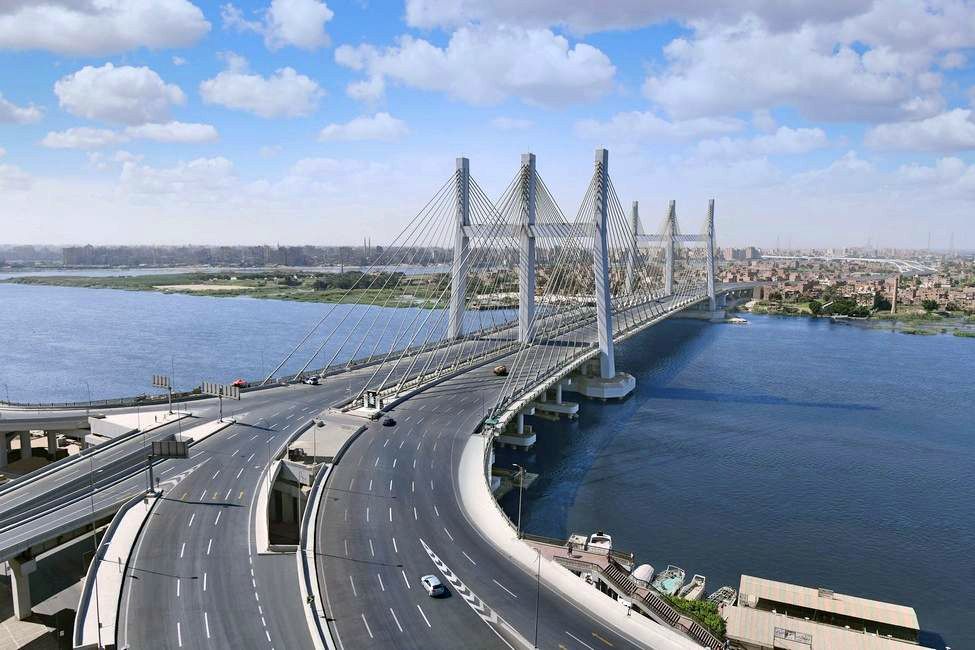
Nile River Crossings
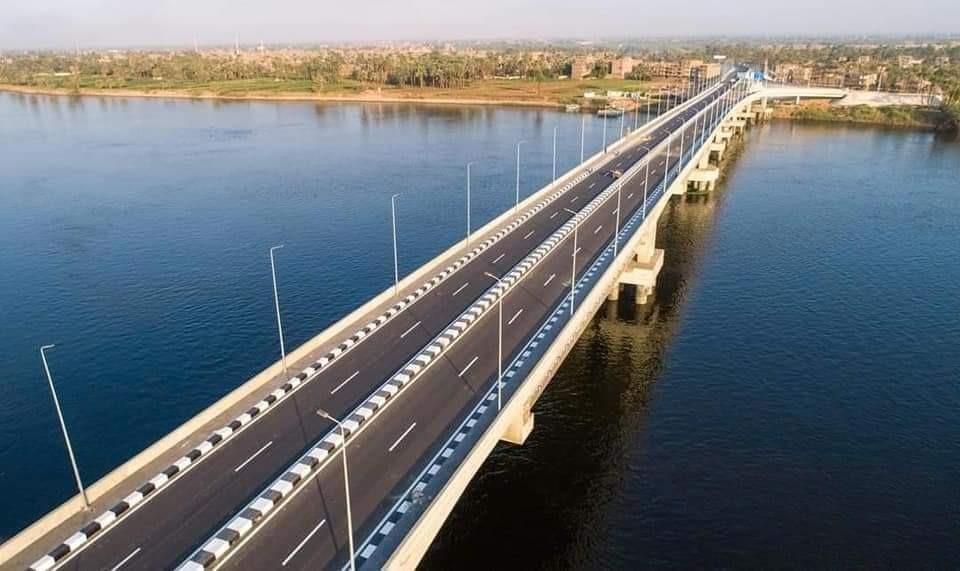
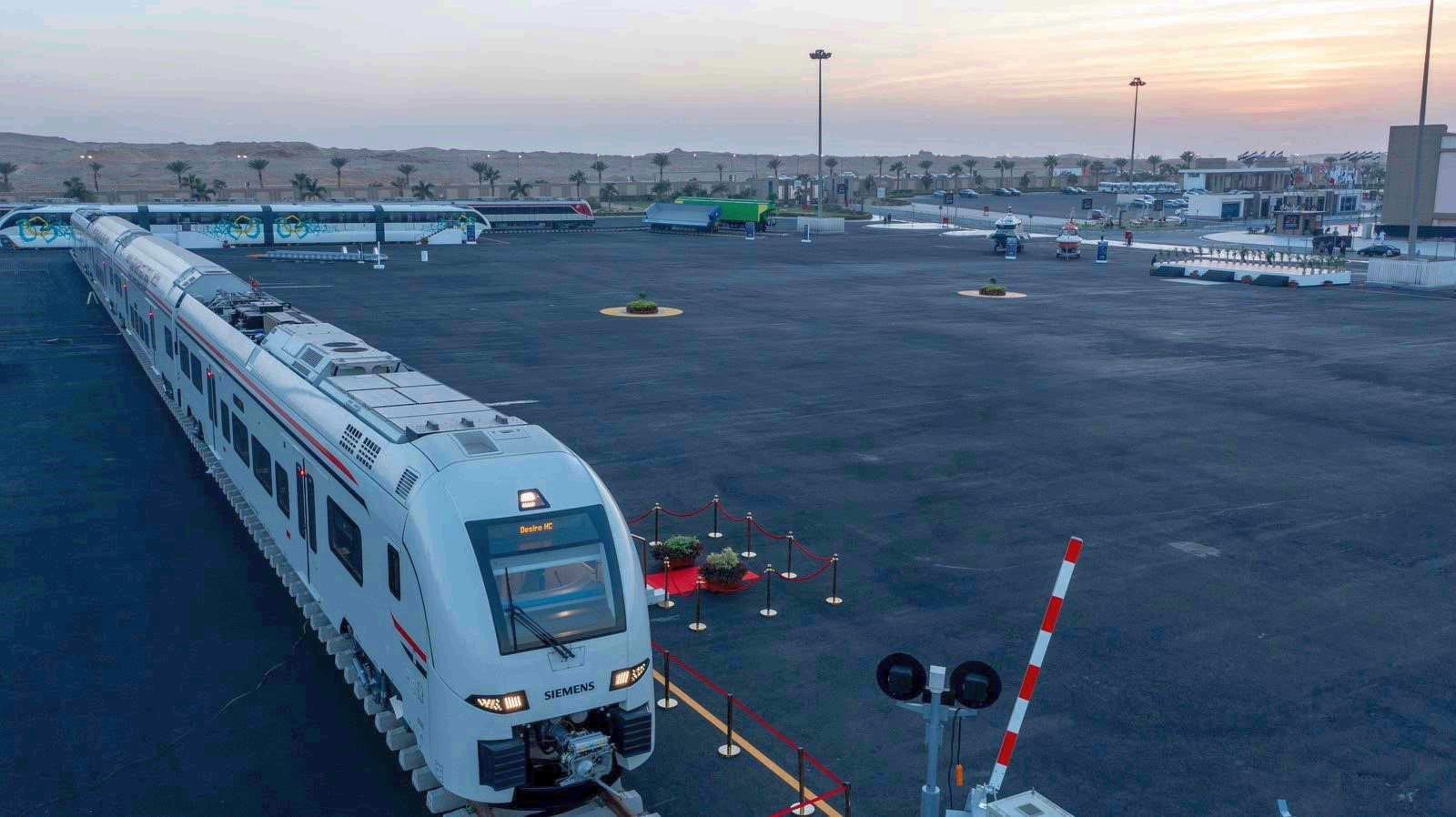
Electrified Rail and Monorail Projects
Maritime Transport and Ports